01 introduction
02 where to find data?
03 insights examples
04 sample walkthrough
Help Me With Product/Sales Research?
Let's look at UNIQLO
01
Introduction
Hello there. This little blog was built to assist the typical person in product/sales research. By the end of this blog, you'll be able to access data, analyze it, and form actionable insights.
Because the author of this webpage enjoys shopping at UNIQLO and admires the brand, we will be focusing on UNIQLO product data and information. Don't worry, the framework is applicable to almost anything.
Please pardon the page's ugliness. The author is a designer, a designer with taste, who is currently learning web development. Thanks.
P.S. All the images have clickable hyperelinks because it was the assignment criteria.
02
Where to find data?
Finding raw data can be difficult depending on the area of interest. Public dataset are data that is open to the public. Platforms such as Coresignal, Bright Data, and Kaggle. Some will require you to pay, but Kaggle has a lot of free data. Typically, data is presented as JSON files or CSVs.
If you know what website you want to take data from, may it be reviews on amazon's site or a menu, a method called "web scraping" could be used. Web scraping is an automated data extraction using software to parse and retrieve HTML code of a webpage.
Keep in mind that a lot of data is private, meaning only UNIQLO has access.
Where could we find UNIQLO product data?
UNIQLO (their website)
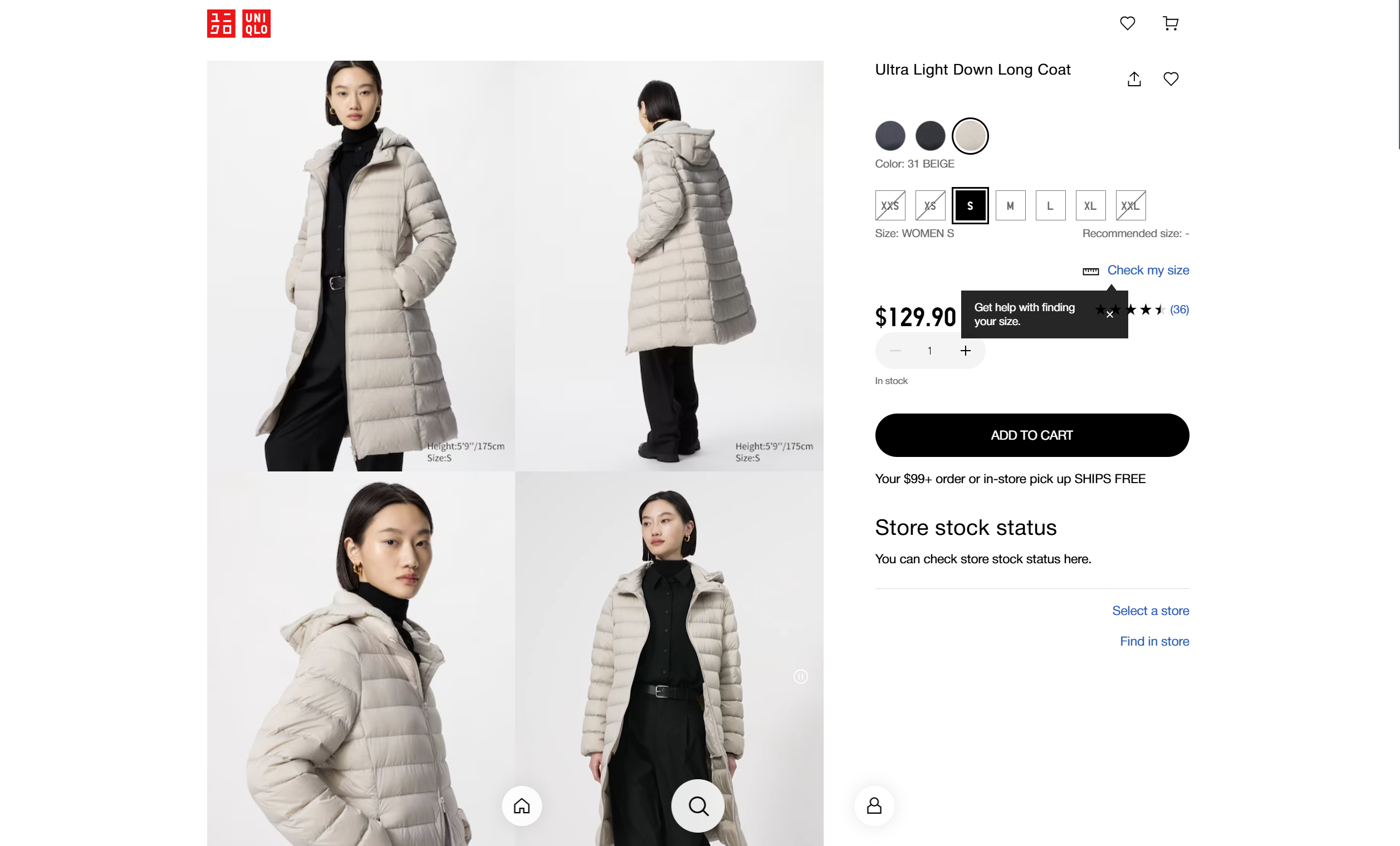
Explore Uniqlo
The UNIQLO website includes all sorts of current product data (obviously), including pricing, sizes, color, etc.
Fast Retailing
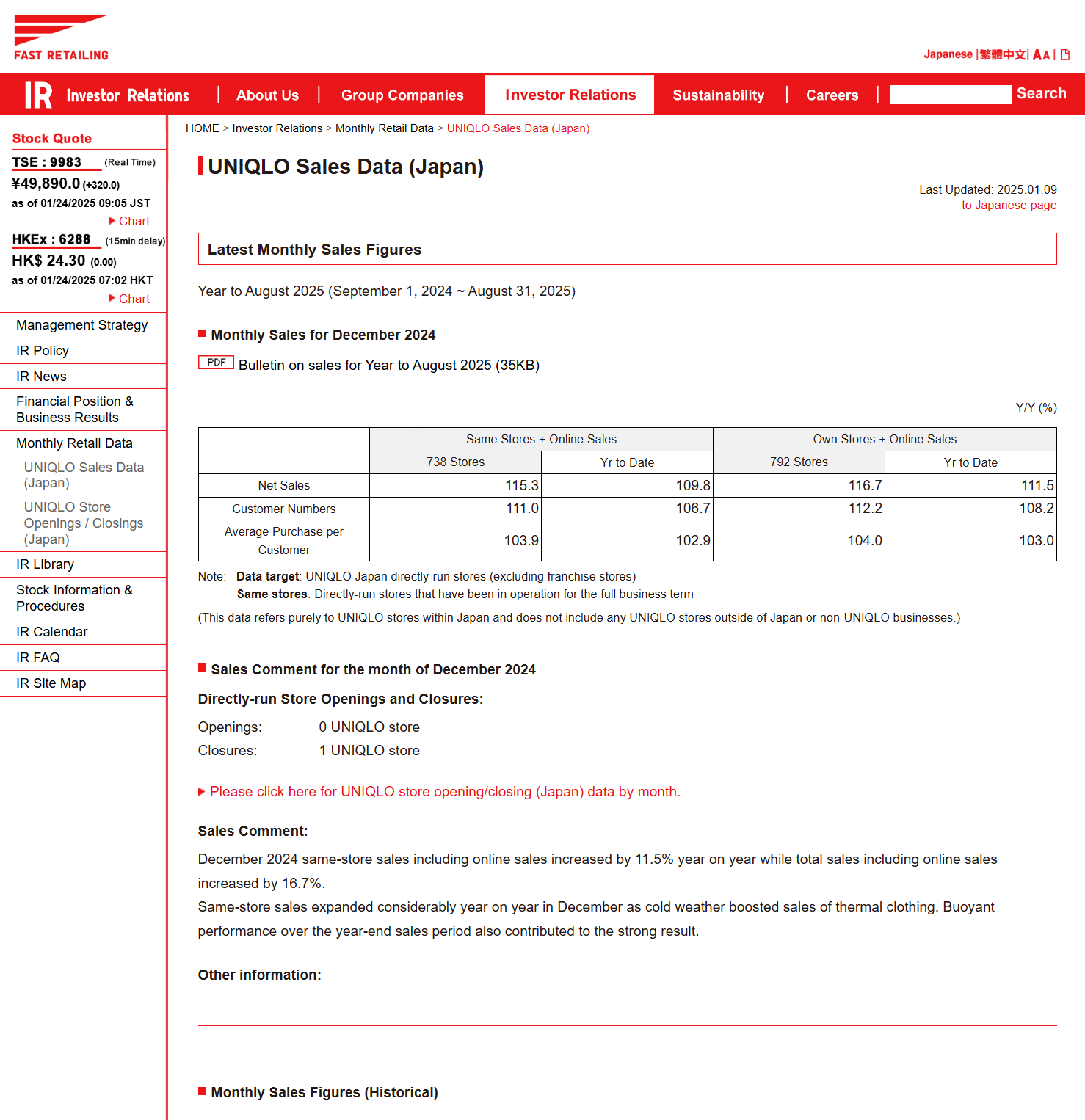
Explore Fast Retailing
Fast Retailing has a comprehensive dictionary of all sorts of data on UNIQLO, among other clothing brands. This includes monthly sales data, news and reports (not so raw data), and financial statements.
Fast Retailing (Kaggle)
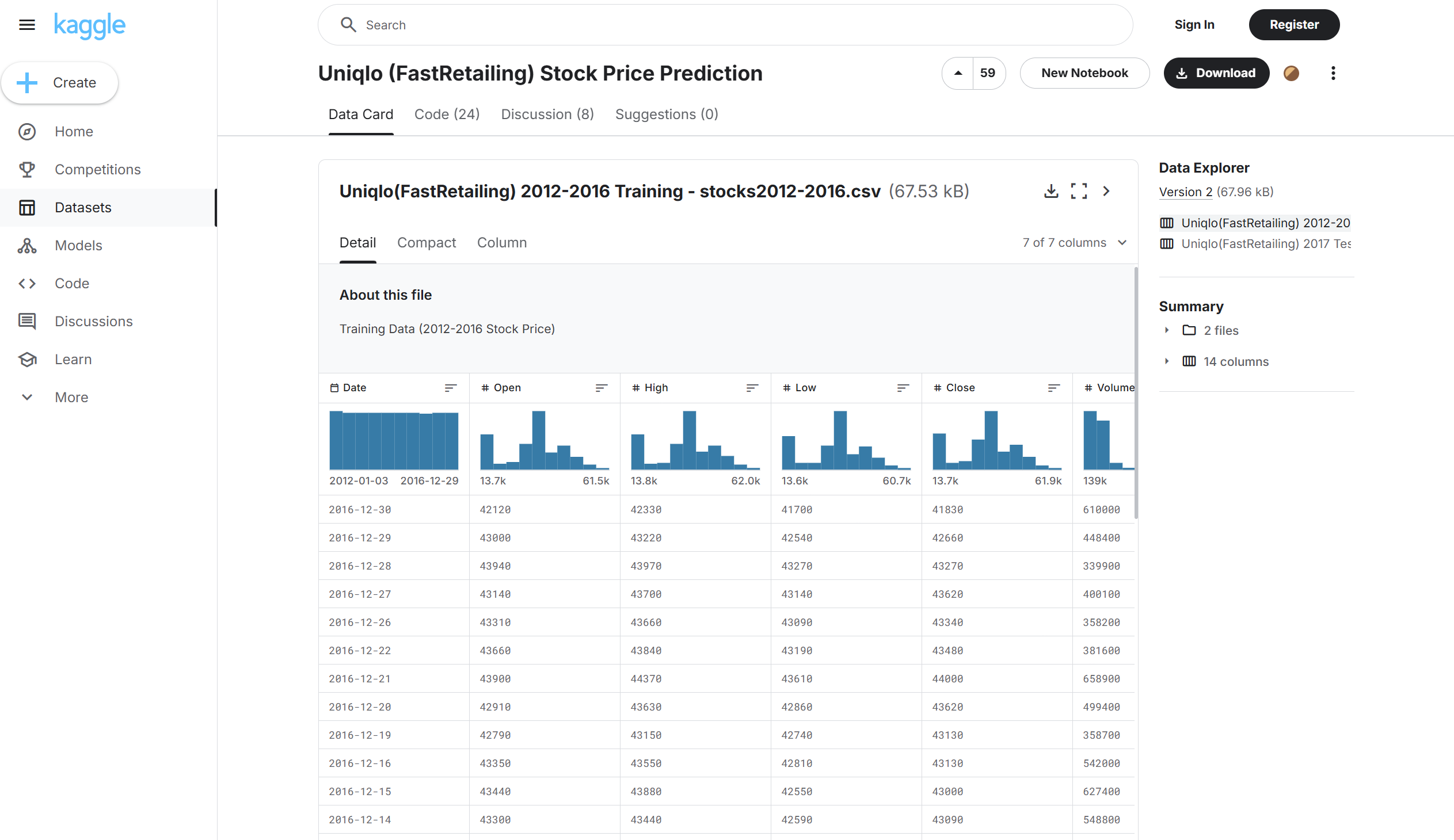
Explore Kraggle
This is a sample dataset from Fast Retailing that was compiled and formatted in Kraggle.
"analyzing UNIQLO sales trend with Python"
case study by Jiaxinzheng
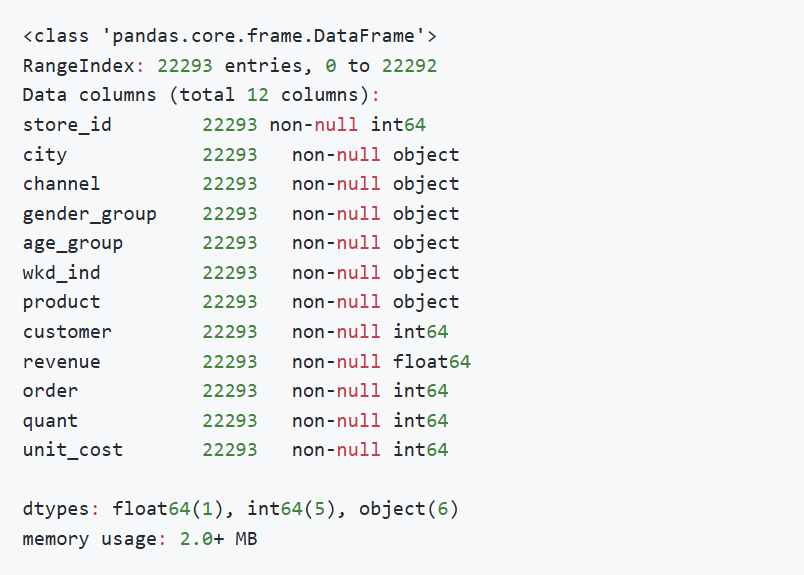
Explore Case Study
This case study provides a great overview on how data is analyzed, visualized, and interpreted into insights. It also provides methods of extracting data.
03
Insights examples
What would the data be used for? researchers, anaalysts, and above average joes (haha) may be looking to answer research questions by forming insights that would help guide decisions.
Let's look at some insight examples:
1) UNIQLO website + Fast Retailing
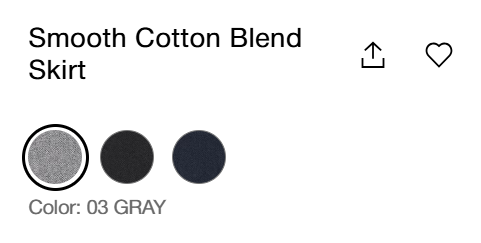
random caption (bc it was in the requirement)
One who is interested in color styling might take UNIQLO's product data and annual sales data to figure out how color might associate with the purchase behaviors of customers. Potential insight:
"As the years go by, products with [x] number of availale color options outperform products with [y] number of colors."
2) Kaggle
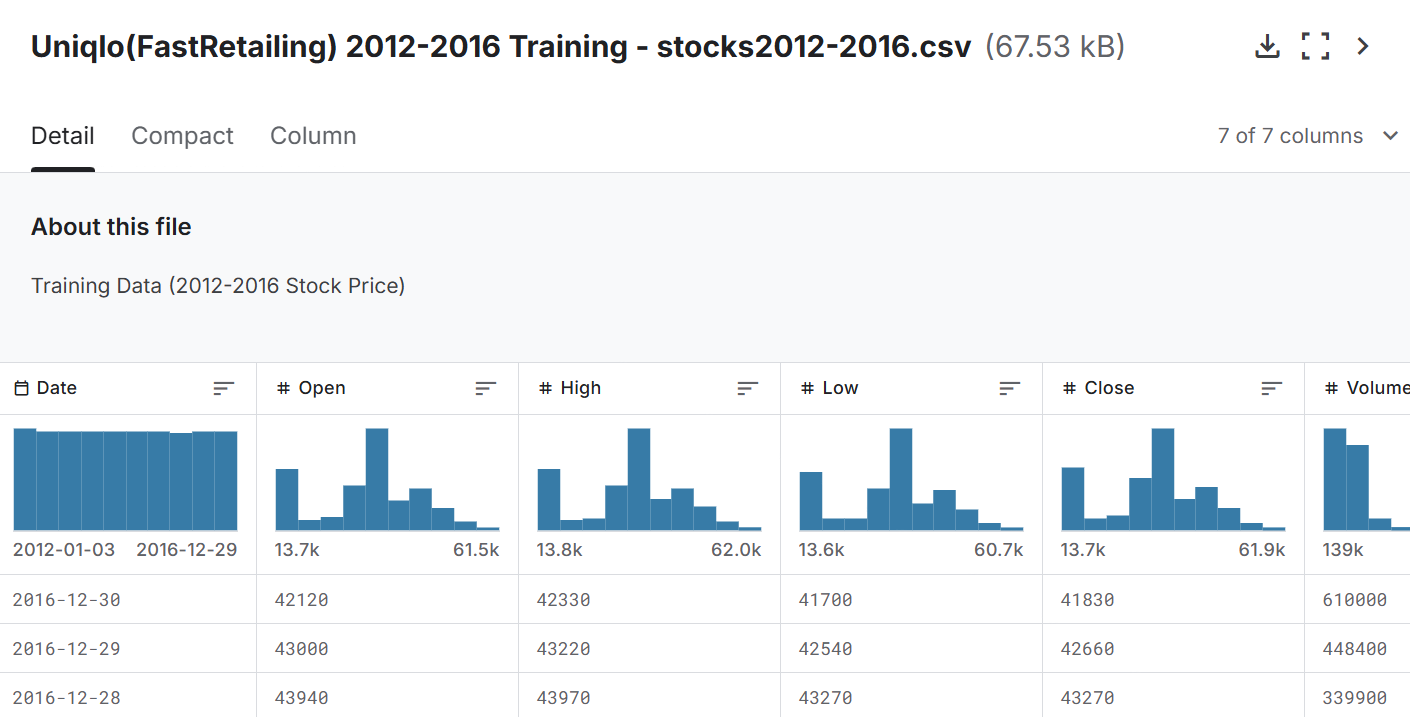
another random caption
If someone is looking for compiled sales data specifically in order to make predictions on stocks, Kaggle provides one 2012-2016 dataset on UNIQLO in Japan. Potential insight:
"The stocks follow a trend [x] so we can predict that [y] might be likely in the future"
3) Uniqlo website
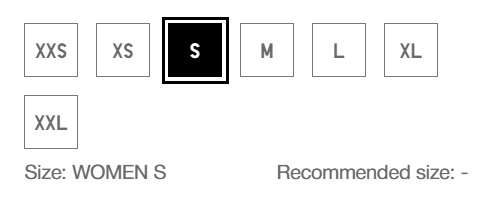
a third random caption haha
Imagine you want to observe the relationship between available sizes and discounts to understand business behavior. Potential insight:
"[x] difference in the distribution of available sizes leads us to say that UNIQLO makes prices lower in [z] case."
04
Sample Walkthrough
Data > Information > Insights
Let's do a simple walkthrough from raw data to forming insights so you can roughly understand the basic procedure. Using Uniqlo's website, let's try to understand the relationship between available sizes and discounts.
1
We compile a list of data (with or without the help of web scraping software) on both discounted items and non-discounted items.
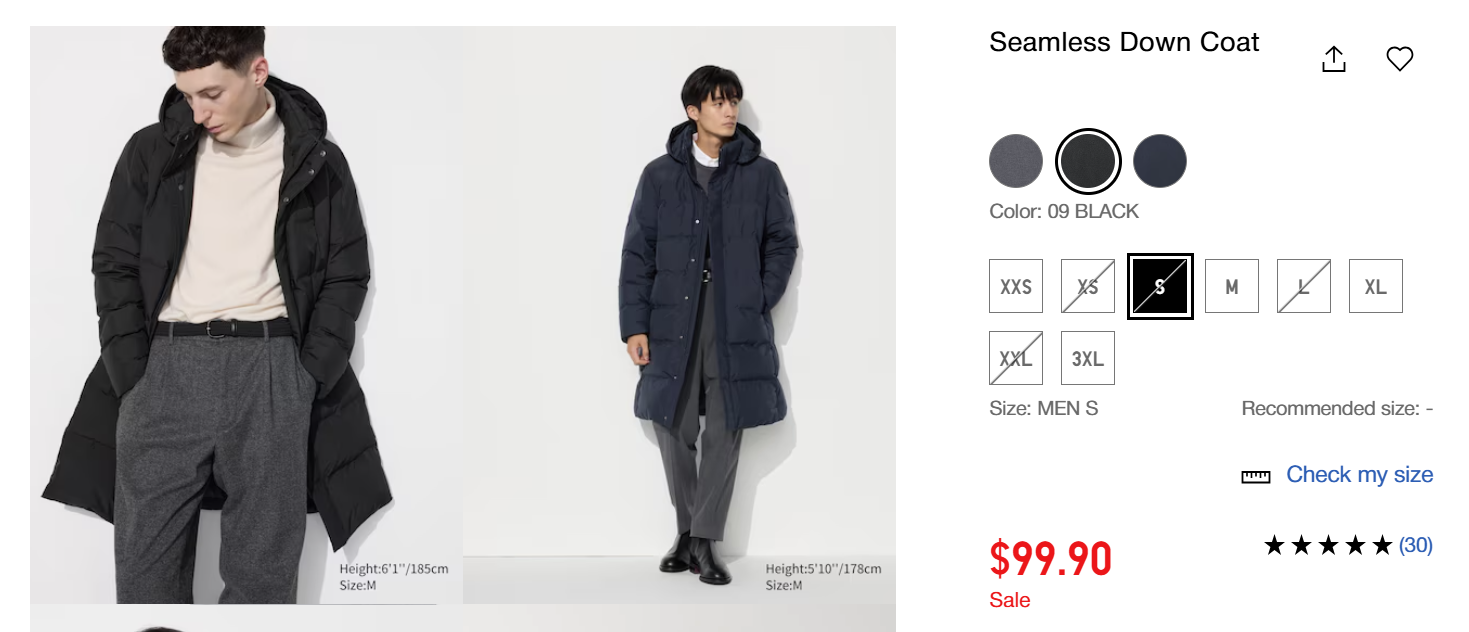
UNIQLO sample sale item
2
With the raw data, we can organize it into a table format (CSV file) and can generate visualizations of the data. Below is an example chart made with google sheets that clearly allows for comparison between the availability of sizes for discounted and non-discounted items on the UNIQLO online shop.
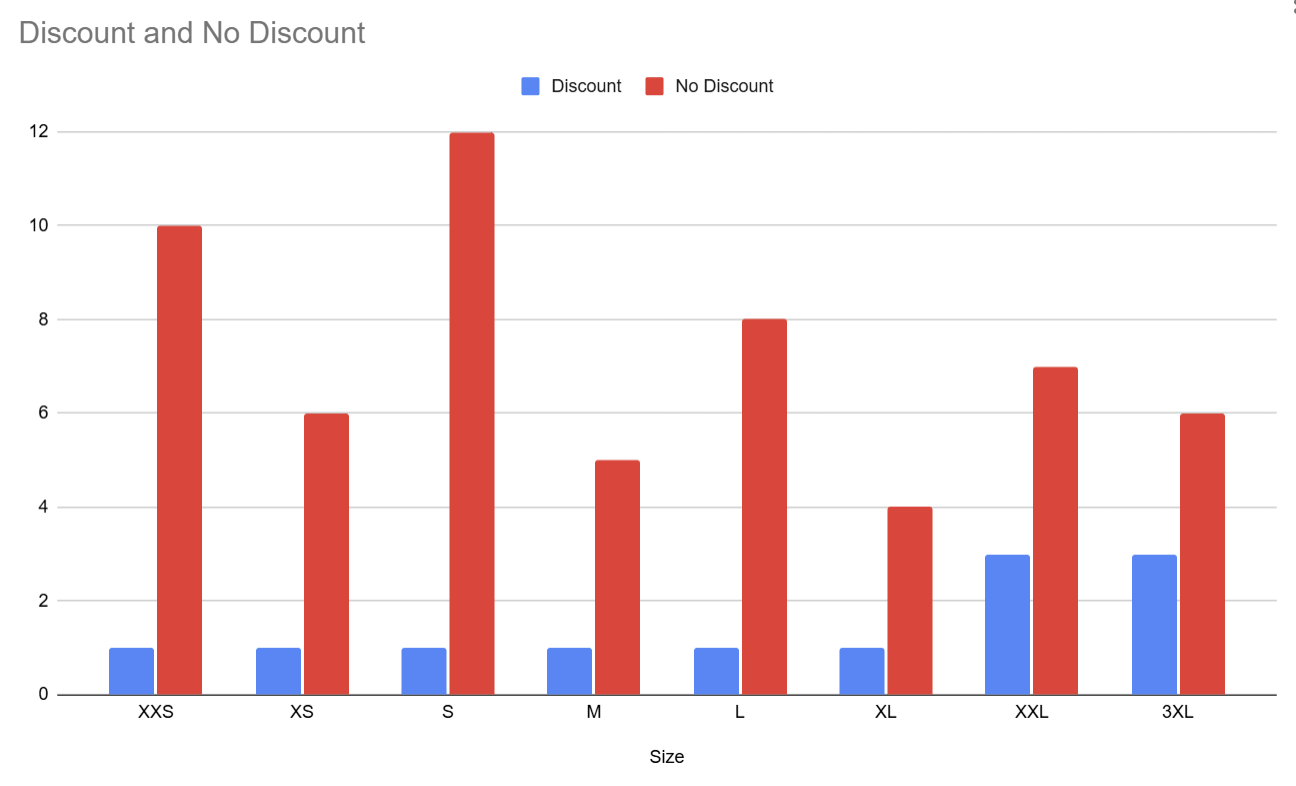
Made with Sheets
3
With this information, we can create an insight such as, "UNIQLO gets rid of inventory, products that do well and run out of sizes easily, by putting them on sale."
Then a consumer could understand the insight and make smarter decisions. If a current full-price item has less available size options than other items, they could predict that the item will be on sale sooner, which would lead them to wait until the price drops to buy it.